


Pavel Josef Šafařík (1795–1861)
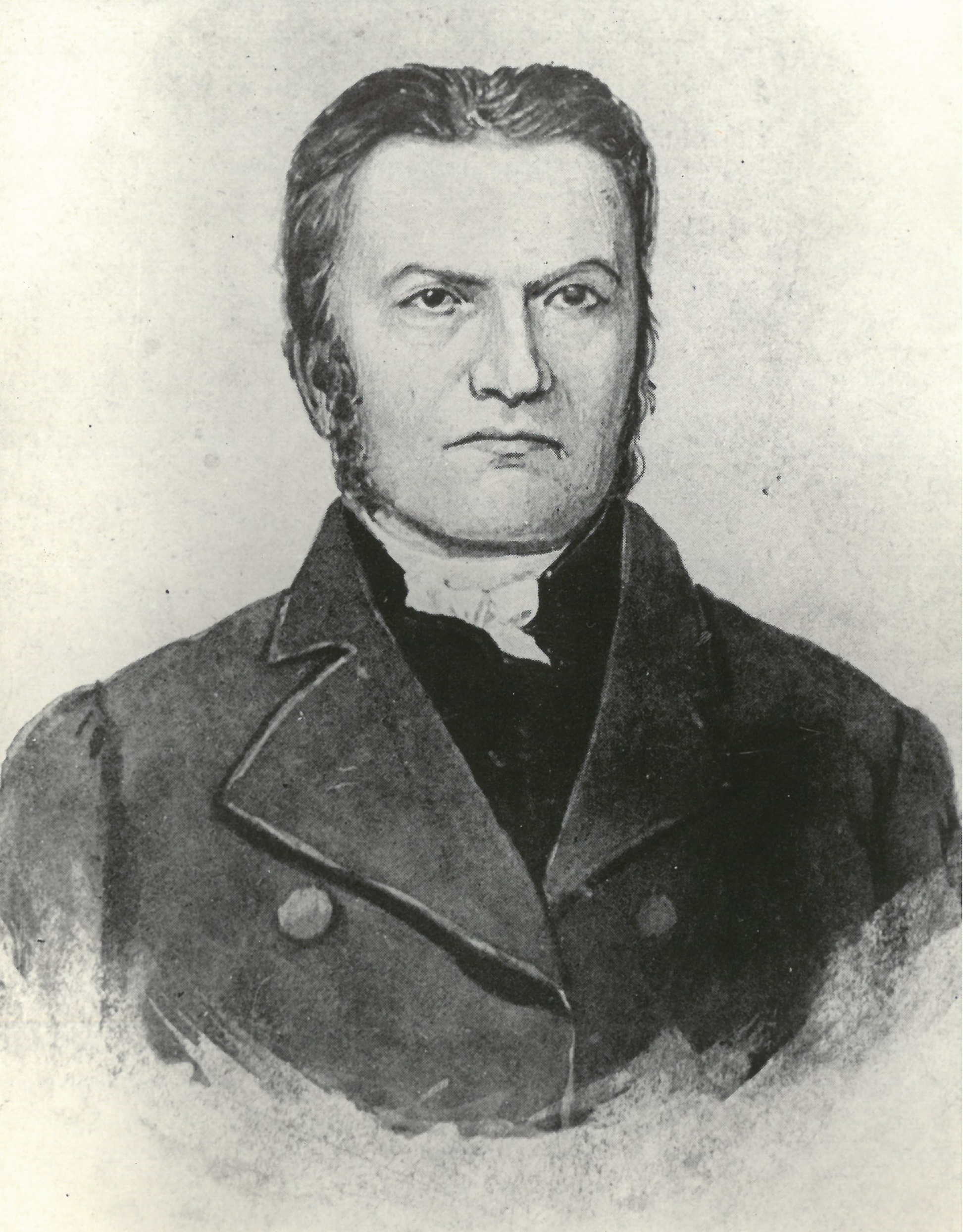
Professor of Slavic philology, literary historian, ethnographer, and cartographer. He created historical and ethnographic-linguistic maps, most of which remained unpublished.
He was born on May 13, 1795, in Kobeliarovo (Slovakia) into the family of an Evangelical pastor. He studied at the University of Jena in Germany. For 13 years, he served as director and professor at a gymnasium in Novi Sad, Serbia. There he published his seminal work O původu Slovanů podle Surowieckého (1828). From 1833, he lived in Prague, where Czech patriots provided him with a research grant on the condition that he publish in Czech. He worked as an editor, censor, and director of the University Library. In Prague, he also completed his monumental work Slovanské starožitnosti (1837), in which he demonstrated that the Slavs, alongside the Greeks, Romans, and Germans, were among the co-founders of European culture.
To accompany the ethnographic-linguistic map Slovanský zeměvid, he published the monograph Slovanský národopis (1842). The work was translated into many languages. Šafařík also published linguistic and Slavic studies. In 1848, he delivered a landmark speech at the Slavic Congress in Prague. He spoke out as an advocate of Austro-Slavism and equality among nations. Together with František Palacký and Josef Jungmann, he was one of the leading figures of the Czech and Slavic national revival.
Šafařík died on June 26, 1861, in Prague. He is buried in Olšany. His work continues to be cited and published in Europe to this day.